Legend of Zelda II: Adventure of Link
Dark Link or ahead of its time?
Back Again, Now with 50% More Side View!
Publisher: Nintendo
Developer: Nintendo R&D 4
Platforms: A lot. Easiest to get is on NSO online.
Didn’t have to wait too long for the follow up, which was a rapid departure from the original. It wasn’t always guaranteed that a sequel will just take what was done before and iterate on it during this era. Castlevania (another title celebrating its 40th) went from a deliberately paced side scrolling action platformer, to a proto-open world with adventure/RPG elements for example, Zelda II following similar footsteps.
This title make no mistake, is a tough one. While it has a leveling system, open map akin to JRPGS like Dragon Quest (another one celebrating its 40th) and Final Fantasy, it was action oriented and the goal was sort of like the original: Get the Triforce, this time, the one of Courage. You’ll take on the role of Link, or whatever name you give him this time not a compressed sprite a but a young man with sword in hand, spells this time, actual populated towns, and foes who weren’t all complete sword sponges. Shigeru Miyamoto returns to producing duties, with Takahashi Tezuka (Of Mario Bros 3 fame), another prominent Nintendo staffer wrote the script and story, with Akito Nakatusuka the main composer. They wore the Dragon Quest influence on its sleeve, alongside being influenced by early beat-em-up title Kung-Fu Master which Nintendo ported to the Famicom/NES. So how does this hold up as the first side scroller Zelda title (Honorable or dishonorable mention to Link: Faces of Evil and Zelda: Wand of Gamelon on the Philips CD-i) that has jumping, slashing, pickup kids over your head, take the form of a fairy among other things?
Sound: Grimy but Good.

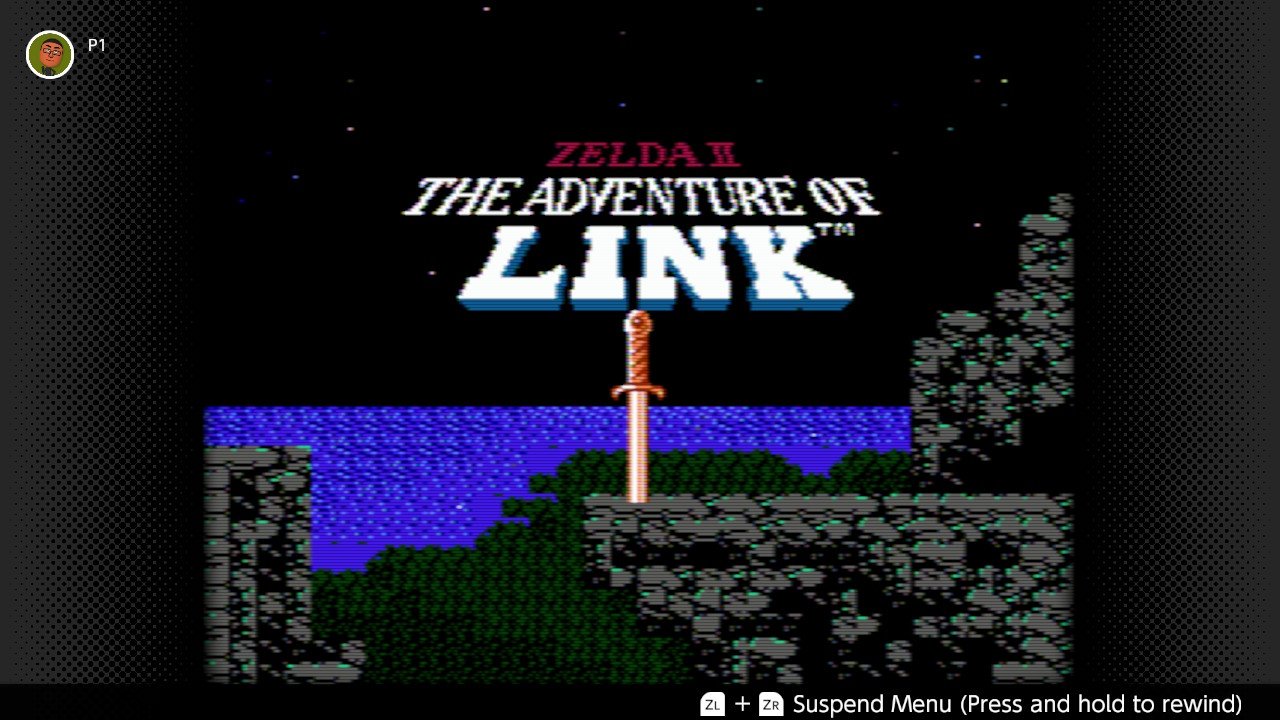
As before, I acknowledge the Famicom Disk System version which you can can play easily on Nintendo Switch Online and switch your region to Japan, though for our purposes, I’ll stick to what I know. Much like the original, some cuts had to be made to make the music and sound effects fit on the NES cartridge. It gives it this grungier sound overall, which is perfect for the enemies and combat. Having more than just a handful of tracks compared to the original, the score knows when to be jaunty, gallant and adventurous as well as dark and foreboding. While not as iconic as the original, it gets the job done, with the dungeon theme arguably the most memorable (having it later expanded on in the Super Smash Bros series also helps).
Graphics: Reppin' East Hyrule.

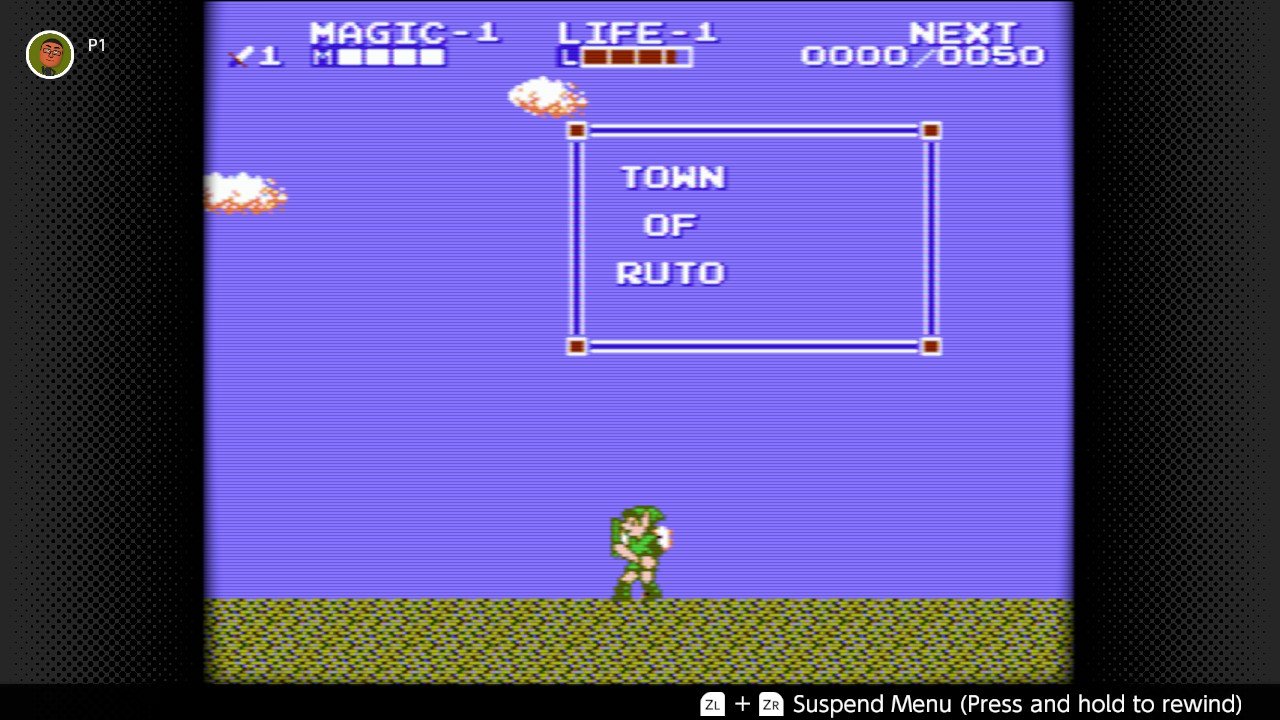
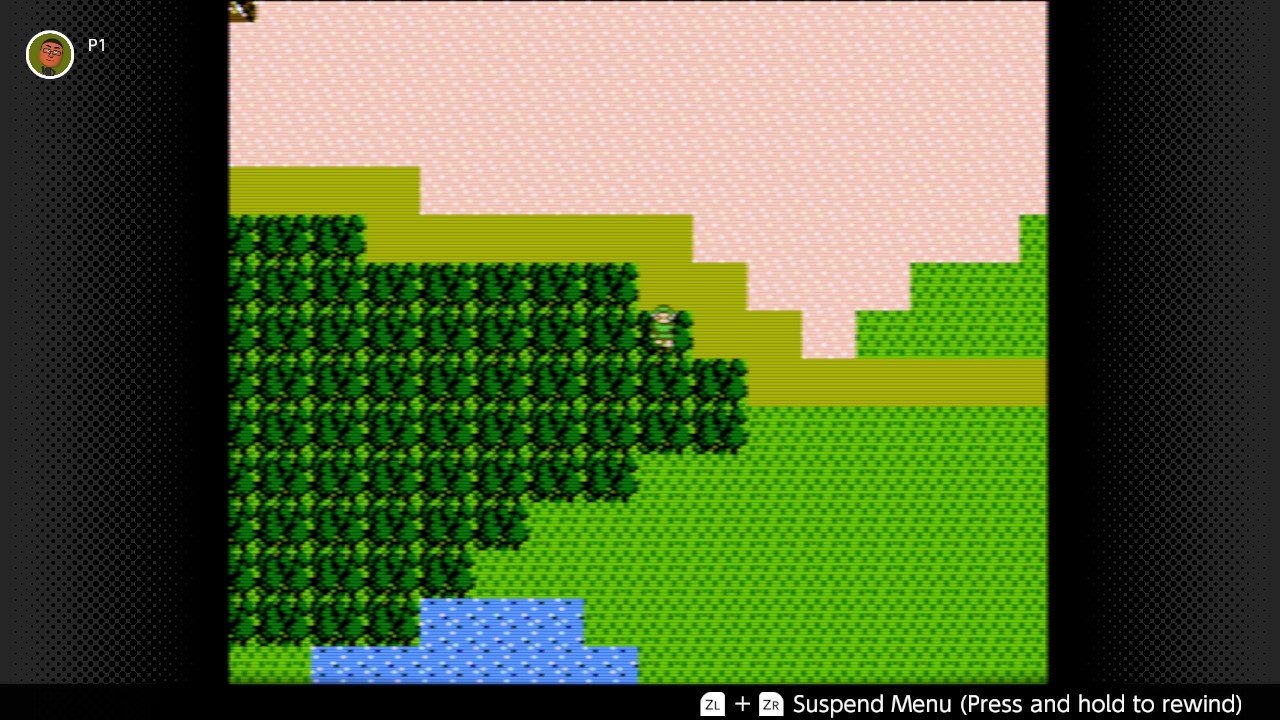
There are a few cuts made to the visuals, as well as some new editions, such as having extra sprites for smoother animations, but water and lava were made static for example. The towns people, yes East Hyrule has a living population are as varied as you can get away with the limitations at the time. The enemies are to scale from small not-slimes to big dragons, armored types and so on. It expands on the original with grassland, forests, mountains, near ocean, rivers, dark caves, East Hyrule is a varied location. The key art in the instruction manual and beyond while still miles away from what could be presented at the time, does start to close that gap ever so slightly; if nothing else, the proportions are a step forward which future console generations would continue to narrow.
Control/Gameplay: Something Different.

This is an instance that with the benefit of modern technology, this title is far more accessible to today’s audience. This is another example of ‘Nintenhard’ while you wouldn’t be completely lost, the townsfolk do drop hints. Having Nintendo Power/GameFAQs/Let’s Play on Youtube at your side takes the guesswork out, leaving you to just execute the easier-said-than-done plan. You’re tasked to wake a sleeping Zelda (This Zelda is from long ago per Hyrule Historia, our Zelda we saved in 1 is safe and sound.) by finding the Triforce of Courage, though to get it, you have to enter the big temple. The Big temple will only open once you have 6 stones collected from various palaces across East Hyrule. Sword and shield in hand, you’re off to each corner of the world, starting off a wimp, but a full fledged warrior by the time you hear the final temple theme.
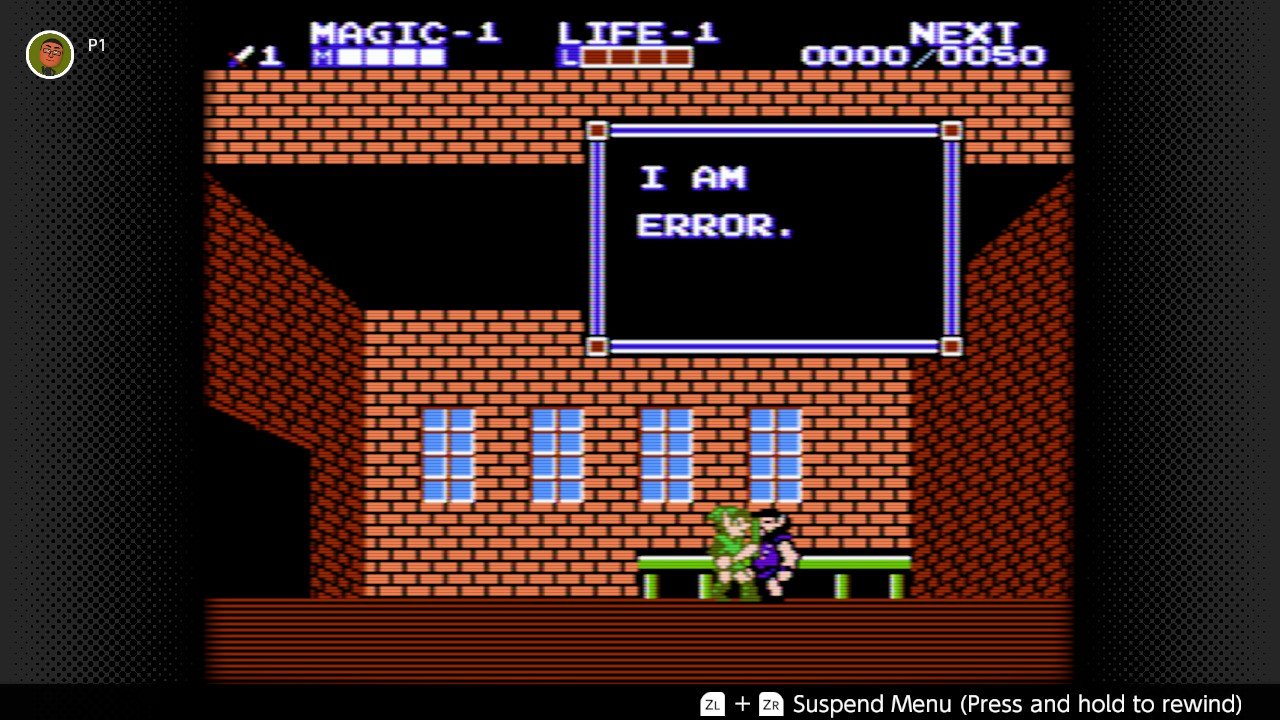
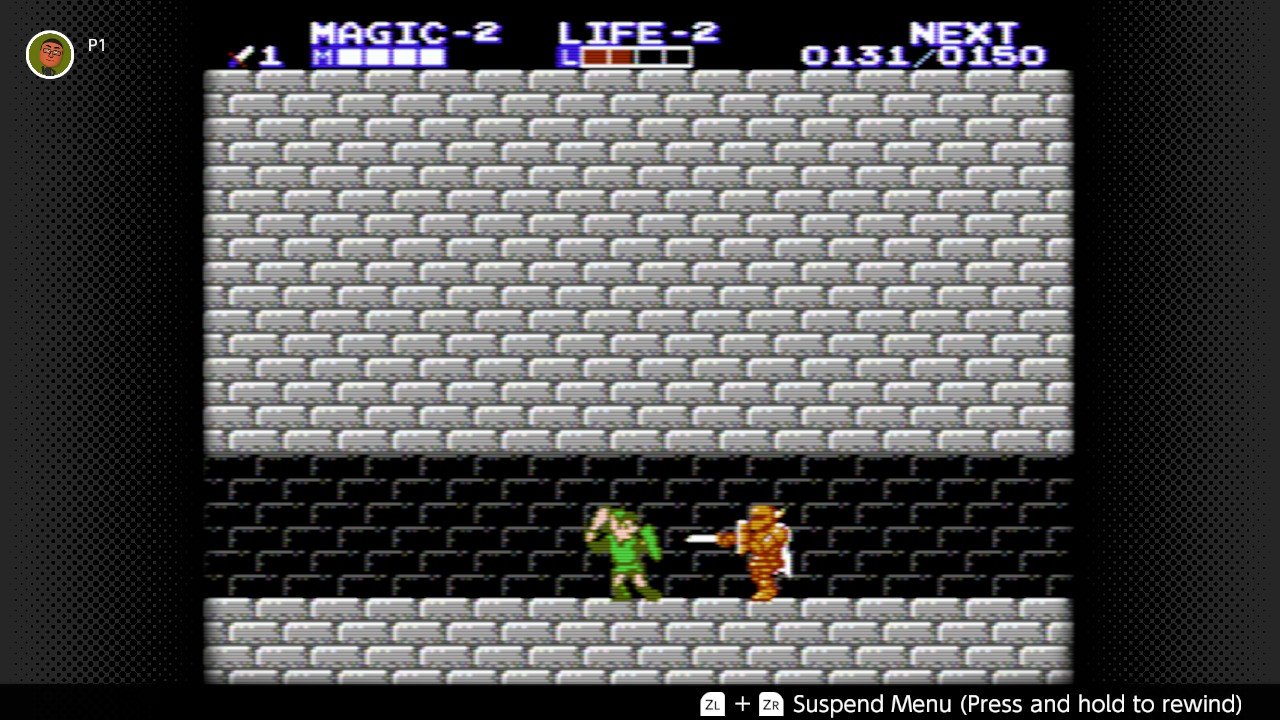
As mentioned in the intro, this is a side scrolling action/adventure with RPG elements. You explore East Hyrule like said RPG, and engage in random battles when black blots of enemies more often than not zero in on you with extreme prejudice. Then it switches to side scrolling where you can try and run to the end of the screen, though that would defeat the point. Enemies your slay give your experience points, which once your collect enough, you level up your power, magic, and life meter. Power is what you think it is, means enemies will take more damage, magic meter means you can cast more spells, which I’ll talk about next, and life lets you live longer. This is important as there are no hearts to refill when you out in the elements. You either have to find fairies, heart containers out in the wild, or when you’re in town find the woman that will patch you up. You have lives similar to Mario titles, 3 to start and once you use them up, its game over and you start back at the temple where a Zelda is sleeping. You can find Link dolls along the way, but are exceedingly rare.
Alongside tools such as a hammer, glove for strength, raft and boots to traverse additional areas, you know have spells to turn the tide of battle to your favor. It does use the magic meter, so it will take some time, trial and error to know when and which spell to use. You’ll learn these from the town elder in each town, ranging from the shield and jump spells which reduces damage and jump higher respectively, to life and fire which heals you and doubles your sword beams to name a few.
Fun Factor: A 2nd Chance.
Back in the day this used battery backup, you would start where a Zelda was sleeping now matter how far you got. Getting the whistle would help cut some of that slog once you travel, as well as make some shortcuts, but Hylian gods help you otherwise. Thankfully with the aid of save states in the official re-releases on the virtual console/NSO, you can now grind/max out stats without losing progress (Oh, yeah if you were halfway through the next xp level and you hit game over, back to 0 you go!) and pick up from the next town/palace.
Lore wise, there’s quite a few mentions, easter eggs that future entries will mention, and of course the name of the sages in Ocarina of Time are now the name of the towns. If you’re playing on NSO, and just want to get straight to the palaces with minimal fuss, you can use the SP version which gives you max stats and spells so you all have worry about is getting to point a to b, c and so on, just focus on your skills and strategy. There are many that would consider this the dark Link of the series. Playing as is, I would agree. Though now with modern features have made this misunderstood, ahead-of-its-time classic worth a play through again.