Super Mario All-Stars
A leap into 16 bits that almost sticks the landing.
Mario & Luigi: Playing with Super Power!!
Publisher: Nintendo
Developer: Nintendo EAD
Platforms: SNES, Wii, Nintendo Switch Online
Originally there were plans to have backwards compatibility with the NES on the Super Nintendo. To drive costs down, this was scrapped, though a top loader version came out for 50 USD, which even by 90s standards, was cheap for a console. So there weren’t a lot of NES remasters, as one could say it wasn’t needed, after all, it was a high chance you already had one and upgraded to 16 bit goodness.
But just in case they were some holdouts, or maybe you didn’t want to plug your NES back in to go back to Super Mario Bros 1-3, Nintendo decided to take its premier platformers, and gave them a shiny coat of paint, jazz up the sound, and for the first time in America, give gamers a chance at the real Super Mario Bros 2 as The Lost Levels. Originally developed while Super Mario 2: Yoshi’s Island was still in progress, its said they were playing the NES originals side by side while designing it on the SNES. I acknowledge the package Super Mario All Stars + World which is at it sounds, throws in Super Mario World in the mix. For the purposes of this review, I’m reviewing All Stars that was released on Nintendo Switch Online as its the most accessible as of this writing. So does just doubling the bits make all the difference?
Sound: There was an attempt...

The Super Famicom/Super Nintendo’s separate sound chip, the SFC, is considered legendary for bringing the 16 bit era with a rich symphonic entrance. From stereo to reverb, strings and slap bass, it was head and shoulders ahead of other non-CD 16 bit systems could do. However, when it came time to to put these bonafide hits on said chip there results are….spotty.
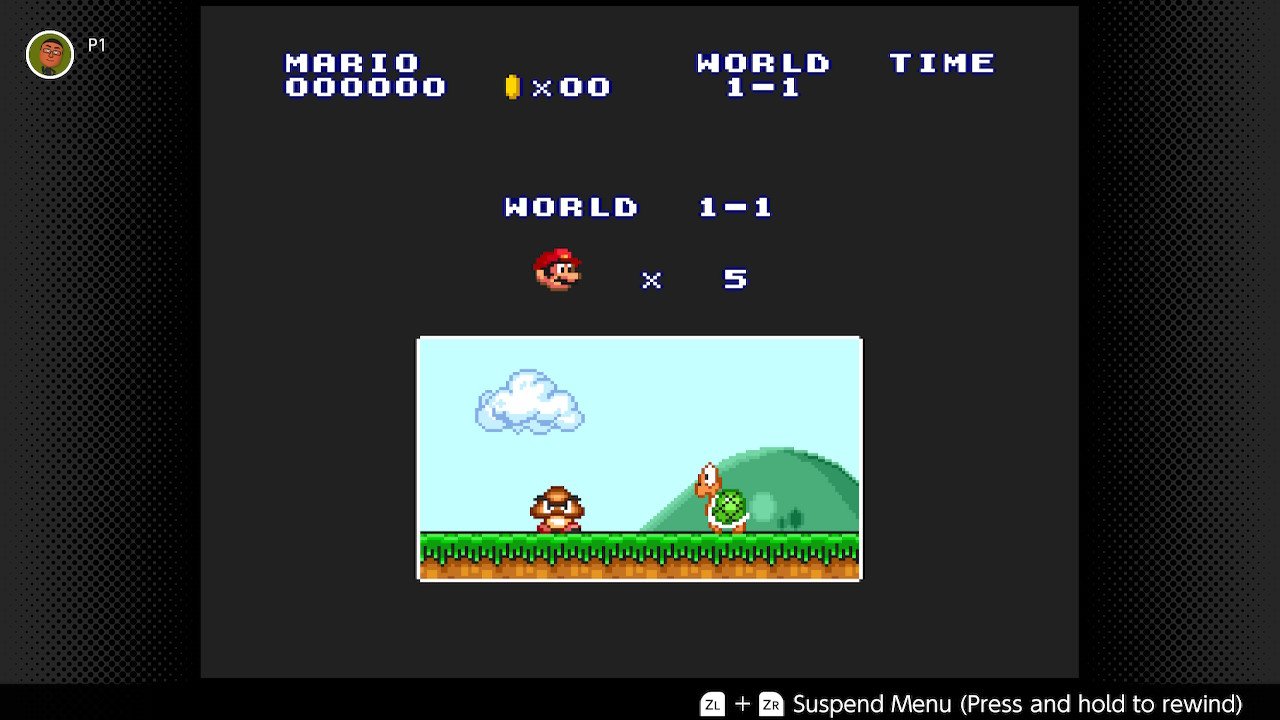
Starting with Super Mario Bros, the added channels, instruments, reverb should on paper make sound better than the original right? Not quite, as its a mixed bag of some choice sounds, and questionable choices. The title screen no longer is mute, as it has a rendition of the water theme from world 4-1 title theme, which is ok. The legendary ground theme that is forever ingrained for many 80s babies and arguably one of the most recognizable tracks in video games sounds flat. The choice for steel pan samples while gives a tropical, whimsy air, the rest of the instrumentation is a cacophony of noise. The underground theme suffers from too much echo, as it was trying to hard to make it sound like it was being played underground. The Bowser castle theme fares slightly better, and they added a special track when you come across the many would-be-Bowsers with its drums which sound like they are on the attack. The sound effects are a mix of original and lifted from Super Mario World which are ok.
The Lost Levels is mainly the same, though its title screen has a more dream like remix of the water theme which is decent. Super Mario 2 didn’t suffer as much, as it does show some restraint. Its funny that when you come across Birdo in each stage, the eggs and sometimes fireballs sound like Yoshi’s spitting out shells instead of trying to redo the original 8 bit sound. Super Mario 3 is another mixed bag, with sound effects getting that extra punch they deserve while the music feels muted. World 2’s desert theme is an assault on the ears for example, though the first half of world 5’s leans into the tropical, reggae sound is much better.
Graphics: Working that palette.

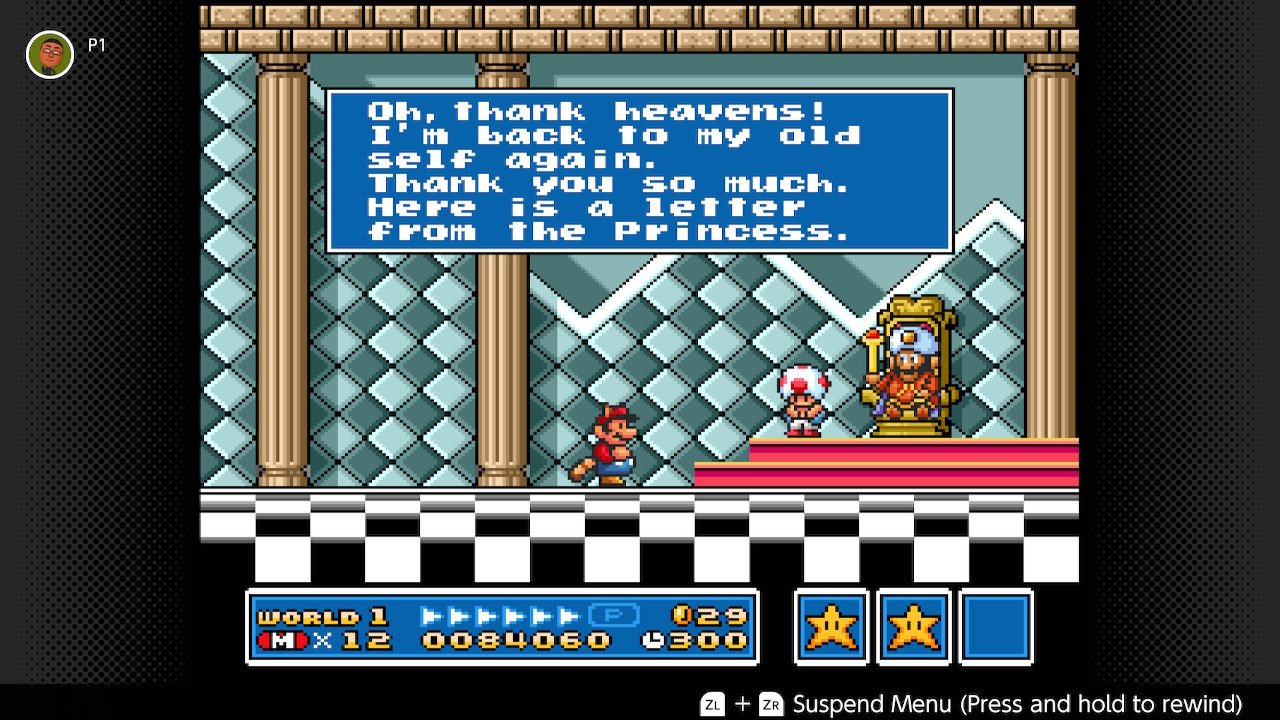
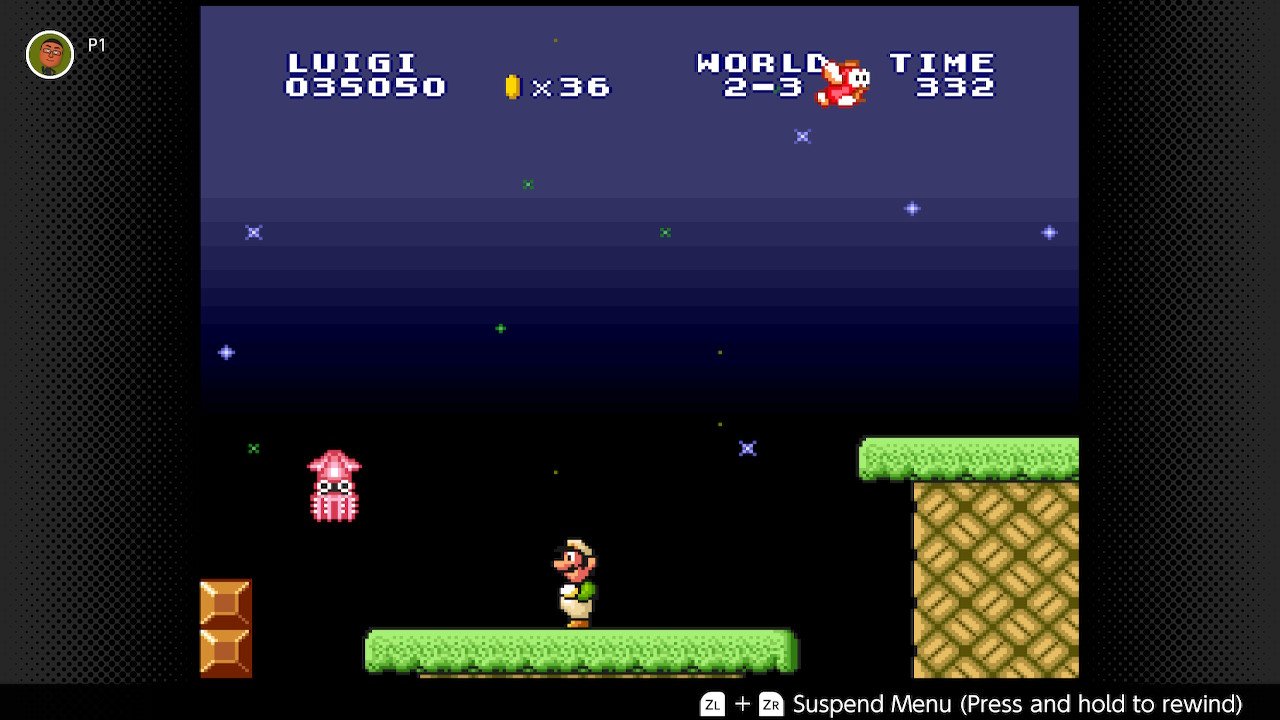
The visuals, art direction here was deftly played, as the artists knew what and how to expand Mario and company’s sprites, enemies, tile sets, etc. Mario 1 and Lost Levels get some inspiration from Mario 3 in some areas, but just upgrades from the NES originals. Some areas like world 3 get a nice face-lift so it looks like a wintry night, stars and all. The castle levels have Bowser’s portrait as it gets to the end is also a neat extra, as speaking of the king Koopa himself, has more frames and sprites that scale to Mario/Luigi which is a marked improvement.
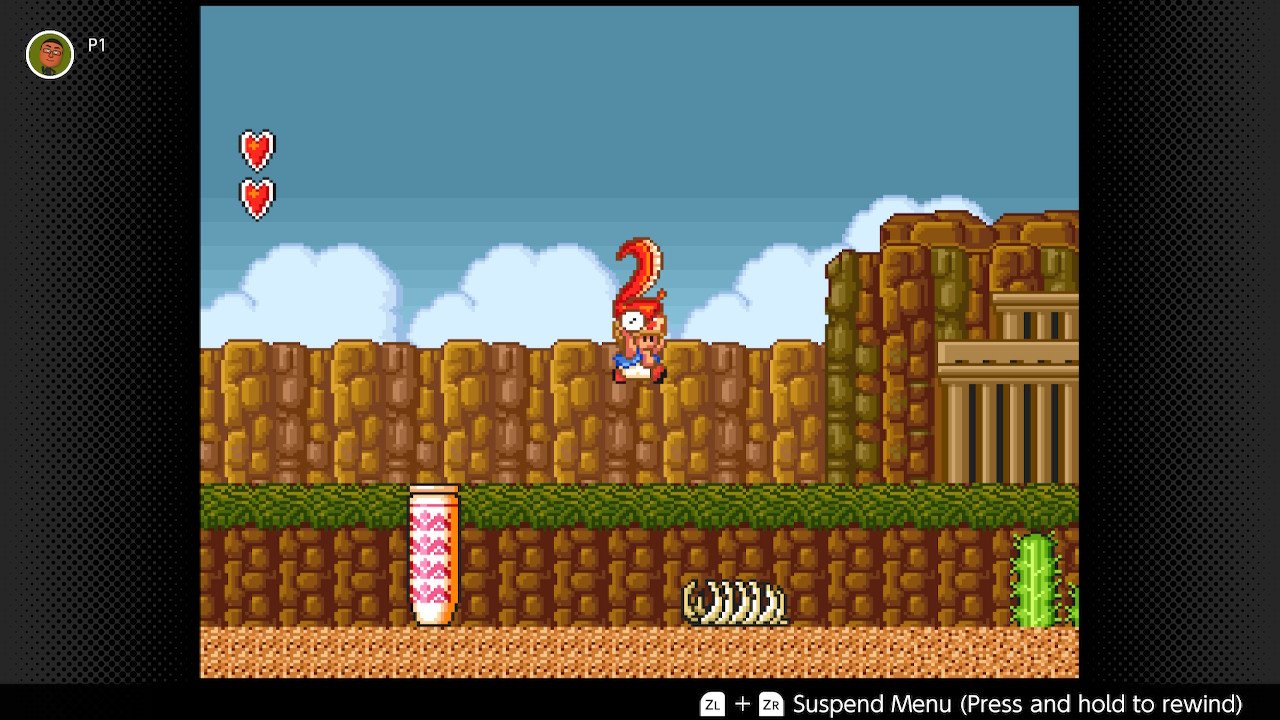
Mario 2 also gets the same treatment, everything from the grasslands, deserts, and even the whales now have this more dreamlike aura about them. The blues especially stand out here, whether its in the shading, or blue shy guys for example.
Mario 3 gets the upgrade it deserves, again bringing each particular region that extra dimension, extra flavor. World 4’s giant world with the giant enemies is something to see 16 bits. Little flourishes such as the various kings transformed into different random creatures and given more identity when returned to normal is awesome.
Control/Gameplay: If it ain't broke...

Mario 1 and Lost Levels simple premise to save Princess Toadstool (before taking the Peach name in Mario 64) from the king of the koopas, Bowser by running to the right is what made Nintendo a household name, what nearly single-handededly brought video games back from the brink in America in ‘85 after Atari tanked it a few years earlier ‘ 83. Japan was chugging, and Europe barely noticed with it being a region better known for home computers such as the ZX Spectrum, Amiga, Commodore, but Nintendo fever took hold in North America like no other.
In case you never ran across a 2d Mario title before, you will run, jump, stomp, shoot with fireballs until you get to the end of the stage. If you select two player, Luigi joins in on the quest. You have 3 lives to start, but can get more by grabbing coins that float in the air, are in question blocks, in bricks or if you’re savvy, find areas where you can stomp on koopa troopa shells to get nearly unlimited 1-ups. You do have a time limit, and that clock does not move in real time, so you’ll need to balance careful planning with swift execution. By default, one hit as small Mario or Luigi and you’re done, though you can grab a mushroom that doubles your size, then get a fire flower that shoots fireballs that will eliminate almost any foe. You’ll find super stars on occasion that will make you invincible for a time. Each world is divided into 4 levels, with the 4th always being a castle where false Bowser runs. Run past them, or shoot them, save the toad people, the denizens of the Mushroom Kingdom who have mushroom heads, and do this 8 more times. This will test your platforming skills with enemy placements, wide gaps, as well as the occasional water level. There are secrets to find such as finding warp zones to skip worlds, hidden blocks, vines to take you to coin heaven.
This marks the first time that the real Super Mario Bros 2 made it to the west as its original release was deemed too difficult, which was saying something during an era at times publishers made US versions harder for various contrived reasons (Some include recognizing the vibrant rental scene, where the fear was gamers would beat in one or handful of sittings). This is essentially the 2nd quest, kind of like what the original Legend of Zelda did, if that makes sense. The levels are new, will test your platforming skills, with added obstacles such levels that have the wind at your back or at face, affecting your jumps. The poison mushroom makes its appearance, which powers you down if you’re fully powered up or kills you if you’re small Mario or Luigi. Speaking of which, there is an actual difference when you choose one or the other. Playing as Luigi has him jump higher, but are slower, and don’t stop on the proverbial dime, which you’ll need to take notice when doing those big jumps. This will make some levels easier, but others harder, as if to taunt you for your choices. There are reverse warp zones that will take you back to certain worlds if you took a particular shortcut in some levels. There’s the extra levels with instead of numbers 8-4 for example, could A-1. How to beat them all I’ll leave that to you to find out. New to this package is the ability to save your progress so its no longer case of trying to get it all done in one sitting, so you can enjoy at your pace. As a little extra, in Lost Levels, you can switch between Mario and Luigi between worlds so you’re no longer stuck with your choice.
Super Mario 2/USA turns this formula as its a platformer still, but a much, much different objective. Originally a reskin of Doki Doki Panic, this was introduced here in place of Lost Levels and no one really noticed. Here, we are in Mario’s dream and its up to him, Luigi, Toad and Princess Toadstool to go from various locales, taking on a completely different set of foes and obstacles. You can no longer stomp your way out as you’ll land on what seems to be everyone’s sturdy head. Or pick up the vegetables if available and toss them out the way. You’ll need to pick them up, throw them off a cliff or at another enemy, as most will come right back you. Some you’ll remember as the continue in future games such as shy guys and Birdo. Others were lost to time until the recent Super Mario Galaxy Movie such as Mouser, the antagonist Wart (Aside his appearance in Links Awakening) for example. No power ups here, save for the super star after getting 5 cherries, though you do have a life gauge that can be increased per level by picking up a lab beaker, throw it in the right area, take the door, which will take you to a shadow world and find the mushroom. Its a dream, roll with with it. You’ll take on Birdo, who’ll have to beat each two levels then face the boss of the 3rd. Repeat for 7 worlds though there might be warp zones if you know where to look…
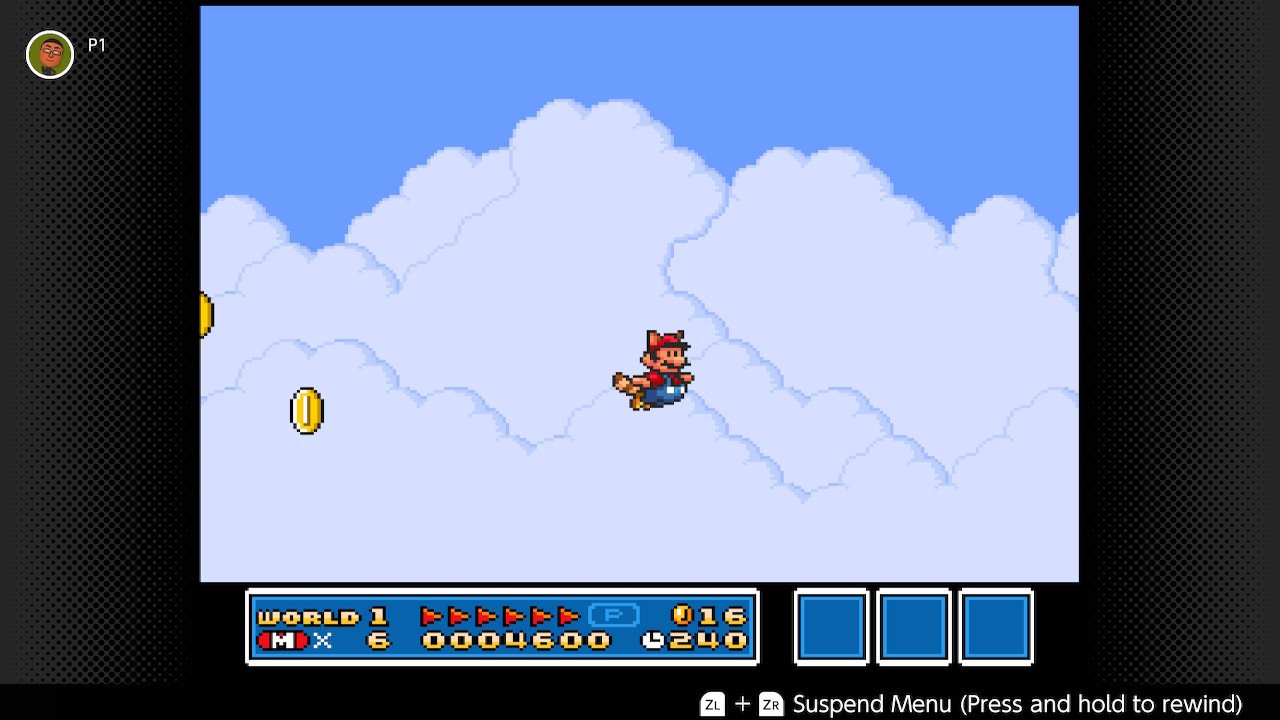
Super Mario Bros 3, where do we begin? Released in ‘88 in Japan, but came out in ‘90 (and was the big reveal for the ‘89 cult hit movie The Wizard) this is a culmination of what the learned in Mario 1, Lost Levels and even some aspects of 2. Whereas 1 and Lost Levels main challenge was to get to the end, starting with 2 and greatly expanded in 3 (and expanded more in Super Mario World), this is a game about how many secrets can you find in each stage. You won’t be saving Toadstool initially, as you’re tasked to save the various kings of places such as Grass Land, Desert Land, Aqua Land, Land of the Giants, Sky World, Ice World, Pipe Land. Bowser tasked his 7 kids, named after famous musical figures such as Lemmy, Iggy and Ludwig to steal their wands as nothing like teaching the family business with practical scenarios. You’ll select your stage in a top down overworld, play the stage in 2D, come back out, and continue. You may not always have to beat every stage, or even play them in order. You can now save your power ups to an inventory, and there quite a few new ones to work with. I won’t be able to talk about them all here, though the most famous is Raccoon Mario where if you can get a running start, will use your tail to fly for a short time. This tail can also help you float down for precise platforming, can be used to thwack enemies, break bricks. Half the fun is finding out which power up can you use in which stage to get the most secrets. Arguably the crown jewel of this collection, with the ability to save your progress, gets the most benefit of its 16 bit upgrade.
Fun Factor: Almost flawless.
Aside from the sound that is inconsistent, this collection many would consider the start of remaking past titles to newer platforms (honorable mention to Mega Man the Wily Wars on the Mega Drive, and Ninja Gaiden Trilogy) and it gets it mostly right. As of this writing, I acknowledge if you have NSO, you can play the originals on the NES app, this on the SNES app, and if you have NSO Expansion, the GBA versions known as Mario Advance (Mario 2), Mario Advance 4 (Mario 3). Though for those, they make enough subtle changes to warrant their own reviews. Its a piece of history you can play, and with save states, rewind, can make this journey less tedious if you wish. Its a testament on how timeless gameplay can be improved upon with taking advantage of the new system’s strengths, such as saving your progress. But its also a lesson on what can be lost when transitioning away from its original console/original release. If you’ve never played these before, I’d recommend the 8 bit originals, then come back here for all-star experience.